

DEFENCE & MILITARY LEAK TESTING
In defence and public safety, personal protective equipment (PPE) plays a critical role in protecting personnel. Personal protective equipment such as respirators, helmets and protective suits must perform reliably in rain, salt spray, dust, mud, vibrations, shocks, water cleaning and extreme temperatures. ATEQ offers industrial leak testing solutions that verify seal integrity, water tightness, air tightness and ingress protection (IP) at the end of the production line (EOL) – ensuring that every delivered unit performs as intended, not just prototypes.
BENEFITS
Even the best designs can fail if sealing is inconsistent during assembly. Invisible defects such as pinched gaskets, misaligned O-rings, porous overmoulding, micro-cracks, incomplete bonding, joint defects, valve leakage or faults in connector seals can degrade performance. ATEQ’s leak testing solutions are specifically designed to verify the integrity of personal protective equipment (PPE) used in defence, ensuring that PPE meets strict safety standards throughout its lifecycle.
ATEQ’s leak testing turns sealing into a measurable and controllable manufacturing parameter:

TYPICAL APPLICATIONS
ATEQ supports all products where sealing is functional, safety-related or contractually required:
TEST TECHNOLOGIES
ATEQ supports multiple leak testing methods to match the required sensitivity, cycle time and product design:
| METHOD | IDEAL USE | KEY BENEFIT |
|---|---|---|
| Pressure decay | Sealed enclosures, radio units, optics | EOL speed & cost |
| Mass flow | Capability studies, high volumes | Direct measurement (Cpk) |
| Differential pressure | Unstable environments | High repeatability |
| Tracer gas (Helium/H₂) | Critical micro-leaks, IP69K | Extreme sensitivity |
INDUSTRIAL FEATURES
ATEQ’s solutions are designed for production deployment.


OUR PRODUCTS

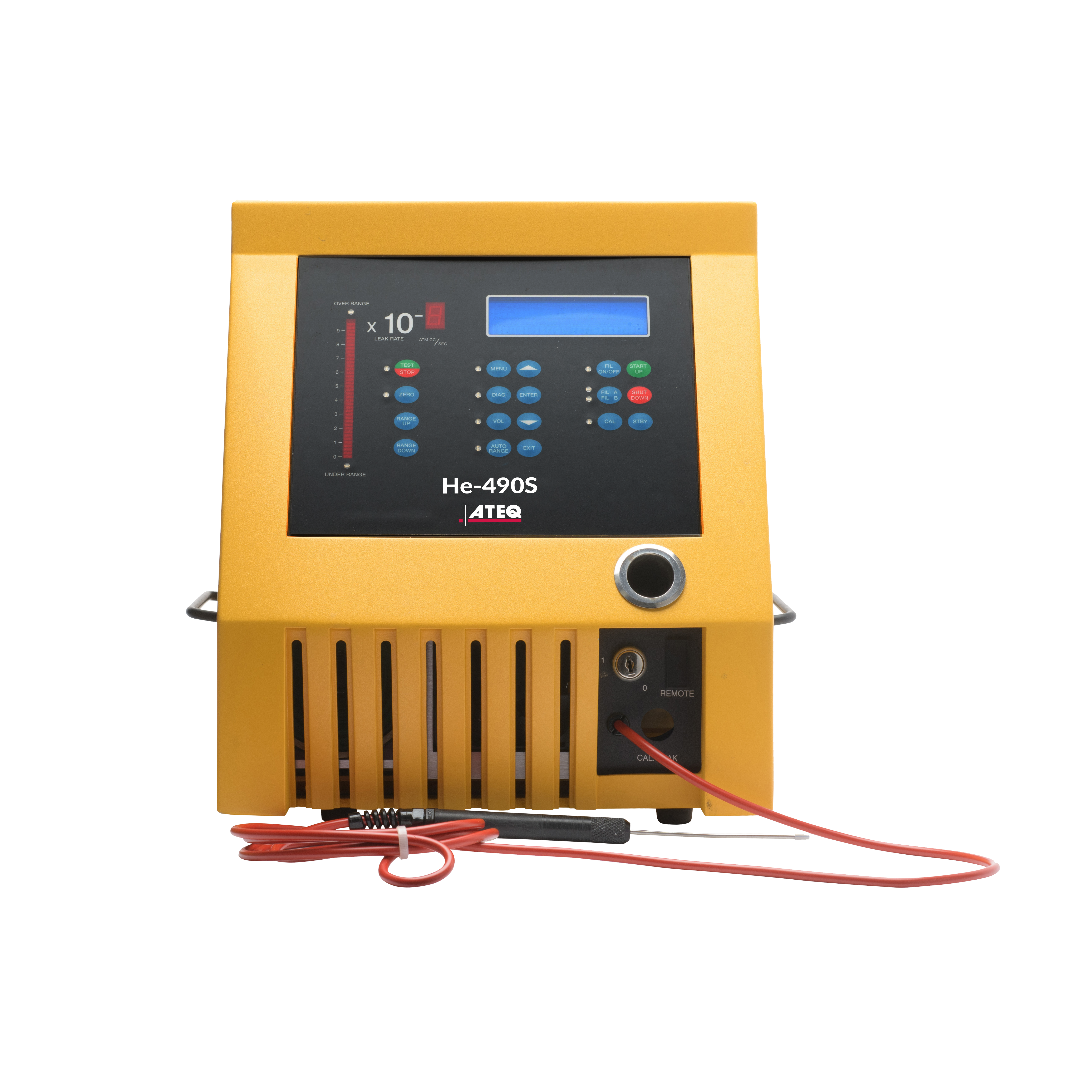


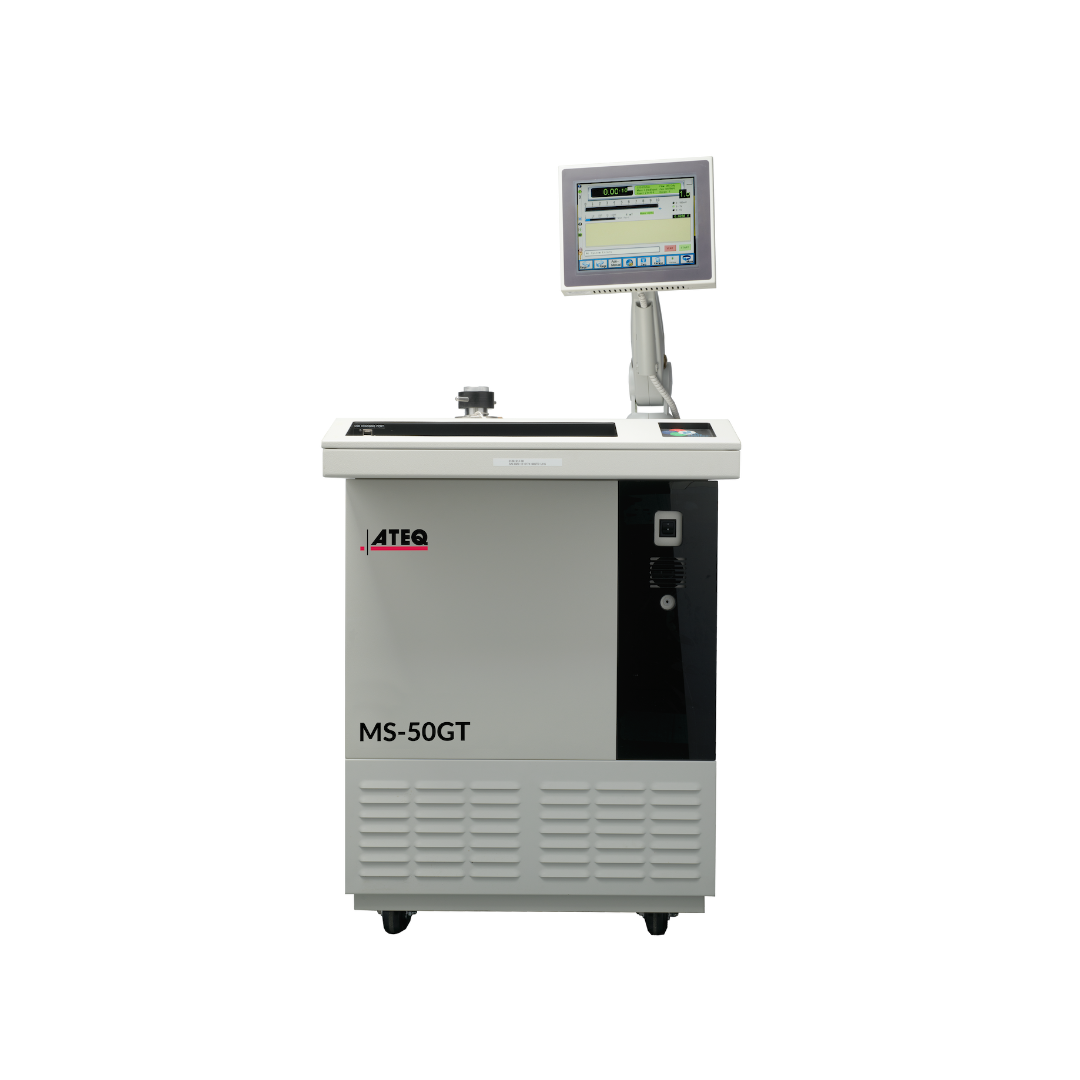

OUR BROCHURES

By identifying even the smallest leaks, leak testing helps ensure consistent product performance, improved user safety, and long-term durability of defence and PPE equipment.
Leak testing can be carried out during product validation, at final inspection on the production line, or during periodic inspections to detect defects early and prevent failures in the field.
Without leak testing, undetected leaks can lead to reduced protection, exposure to hazardous substances, non-compliance with standards, operational failures, and increased costs due to recalls or legal liability.
Yes. Leak testing solutions can be customised according to the product’s geometry, internal volume, acceptable leak rate limits, cycle time, and environmental conditions.
Leak testing is commonly used for respirators, protective suits, sealed enclosures, housings, and military components exposed to demanding or hazardous environments.
Common methods include pressure decay testing, mass flow testing, and leak testing using air or tracer gas, selected based on requirements for sensitivity, test speed, and production constraints.
Yes. Leak testing for defence and PPE applications is typically non-destructive, meaning the equipment remains intact and fully functional after testing. This makes the method suitable for both production testing and periodic inspections.
Leak testing is a quality control process used to verify the airtightness of military and personal protective equipment (PPE) by detecting leaks of air, gas or liquid that could compromise protection and performance.
