The physical infrastructure behind artificial intelligence
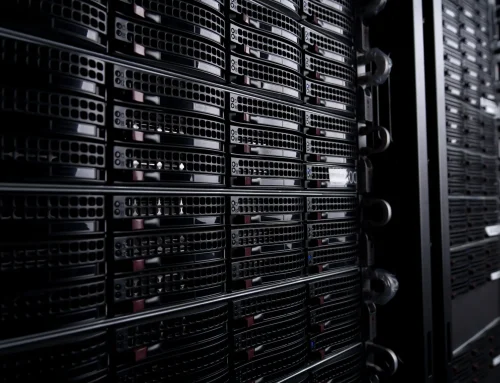
Artificial intelligence often appears as a purely digital technology. However, every AI model ultimately relies on a highly complex physical infrastructure. Training and running AI systems requires extremely powerful computing hardware, particularly graphics processing units (GPUs) used in modern data centres. These processors deliver exceptional computing power but they also generate large amounts of heat and consume significant energy. To operate safely and efficiently, AI infrastructure requires advanced cooling systems that keep hardware temperatures under control. As AI workloads continue to grow, thermal management and infrastructure reliability have become critical challenges for data centre operators.
GPUs, heat generation and the rise of liquid cooling in AI data centres
Modern AI accelerators and GPUs can consume hundreds of watts per chip, and AI clusters may contain thousands of processors running simultaneously. This results in extremely high thermal density. To maintain performance and prevent hardware failure, data centres increasingly rely on advanced cooling technologies such as liquid cooling and direct-to-chip cooling. In many modern systems, cooling liquid flows directly through circuits located very close to sensitive electronic components. This proximity improves cooling efficiency but introduces a new challenge: perfect sealing becomes essential.
Why leak-free cooling systems are critical for AI infrastructure
When liquid cooling systems operate near electronic components, even a tiny leak can cause serious problems. Potential consequences include hardware damage, server downtime, loss of computing capacity, expensive operational disruptions and reduced data centre reliability. Because AI workloads often run continuously and at scale, reliability of cooling infrastructure is mission-critical. This is why components used in these systems must meet extremely strict leak-tightness requirements.
Leak testing: a key technology ensuring reliable AI infrastructure
Leak testing technologies are used during manufacturing to verify that components used in cooling systems are perfectly sealed. Leak testing detects microscopic leaks that cannot be seen with the naked eye but could compromise system reliability over time. These tests are commonly applied to critical components such as cold plates for GPU cooling, liquid cooling manifolds, fluid connectors, cooling loops and heat exchangers. By identifying potential leaks before components are deployed, manufacturers can ensure long-term reliability of AI infrastructure.
ATEQ solutions for leak testing in high-performance cooling systems
ATEQ develops high-precision leak testing solutions used across multiple industries where reliability is essential. In the context of AI infrastructure and data centres, leak testing technologies help ensure that cooling systems operate safely and efficiently. These solutions allow manufacturers to detect micro-leaks during production, guarantee sealing integrity and improve the reliability of cooling systems used in AI data centres.
Liquid cooling uses coolant circulating through dedicated circuits to remove heat from processors and maintain optimal performance.
Leak testing ensures cooling circuits are perfectly sealed, preventing damage to electronic components and ensuring data centre reliability.
Cold plates, manifolds, heat exchangers, connectors and liquid cooling loops all require leak testing.
By detecting micro-leaks during manufacturing, leak testing prevents failures and ensures stable AI infrastructure operation.
AI GPUs generate large amounts of heat, requiring advanced cooling technologies such as liquid cooling to maintain safe operating temperatures.